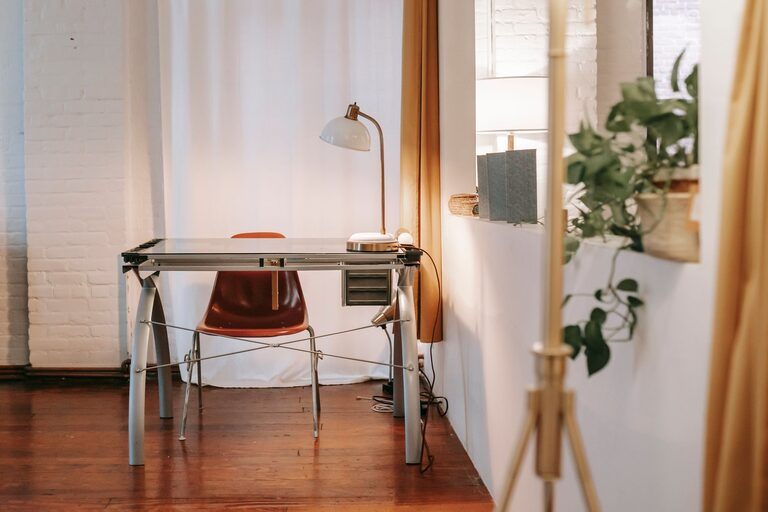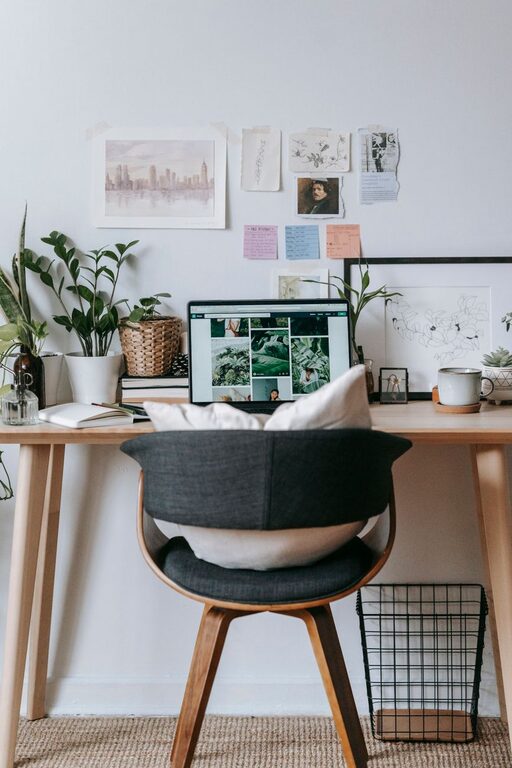
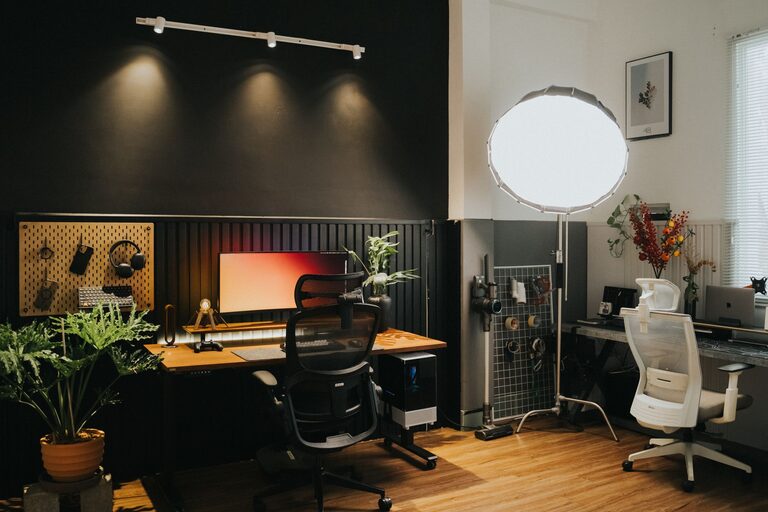
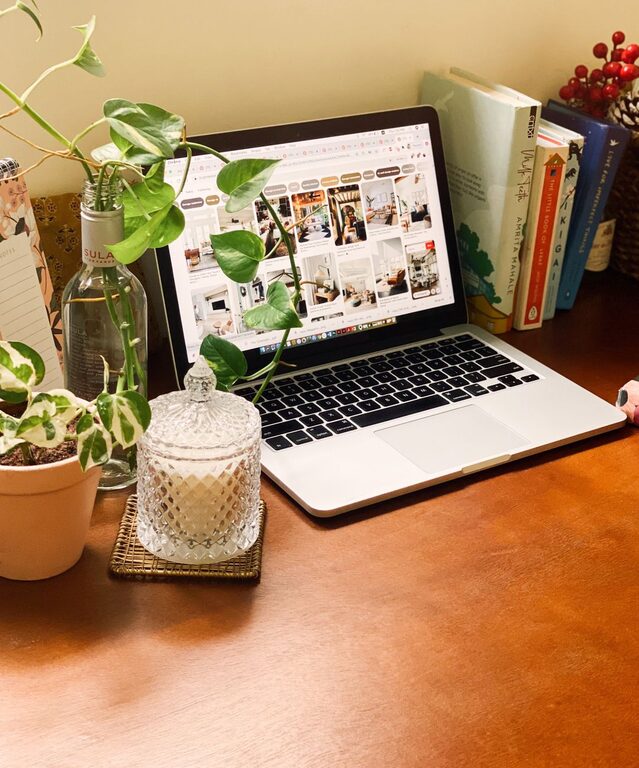



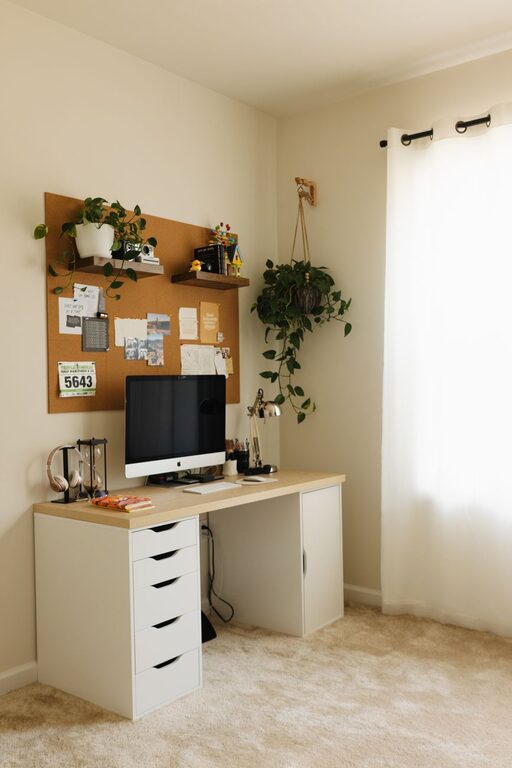
Creating a home office that is both cozy and productive can make a significant difference in your work-from-home experience. Whether you work remotely full-time or occasionally, having a dedicated space that fosters focus and comfort helps improve your efficiency and well-being. In this post, we’ll explore helpful tips to design a home office that balances comfort with productivity.
1. Choose the Right Location
The first step to an effective home office is selecting the right spot in your home. Here are some considerations:
– Natural Light: Whenever possible, pick a space near a window to take advantage of natural light. Sunlight helps regulate your internal clock, lifts your mood, and reduces eye strain.
– Quiet Area: Aim for a low-traffic zone away from noise and distractions from family members or household activities.
– Adequate Space: Ensure you have enough room for your desk, chair, and any equipment or materials you use regularly.
If space is limited, a corner of a living room, a nook in a bedroom, or even a part of the dining room can work with thoughtful design.
2. Invest in Comfortable and Ergonomic Furniture
Your chair and desk are the foundation of a good home office. Comfort directly impacts your productivity and health.
– Ergonomic Chair: Look for a chair with lumbar support, adjustable height, and comfortable cushioning to avoid back and neck pain.
– Desk Height: Your desk should allow your elbows to be at a 90-degree angle when typing. Adjustable desks that let you switch between sitting and standing positions are a great option.
– Footrest and Accessories: If your feet don’t rest flat on the floor, use a footrest. Wrist rests and ergonomic keyboards can also reduce strain.
3. Organize Your Space to Minimize Clutter
Clutter can interfere with focus and even increase stress levels. Here’s how to keep your workspace tidy:
– Storage Solutions: Use shelves, filing cabinets, or storage bins to keep supplies organized and out of sight.
– Desk Organization: Keep only daily essentials on your desk. Use trays or organizers for pens, notepads, and other small items.
– Digital Declutter: Organize your computer desktop and files for easy access and minimal distraction.
4. Personalize Your Office for Comfort and Inspiration
Adding personal touches can make your office feel inviting and motivating.
– Decor and Artwork: Choose artwork or photos that inspire you without overwhelming the space.
– Plants: Indoor plants improve air quality and add a touch of nature, which can boost mood and creativity.
– Color Choices: Use calming or energizing colors depending on your preference. Soft blues and greens tend to be soothing, while yellows and oranges can increase energy.
5. Optimize Lighting for Comfort and Efficiency
Good lighting reduces eye strain and helps maintain alertness.
– Layered Lighting: Combine natural light with overhead lights and task lighting such as desk lamps.
– Adjustable Lamps: Use lamps with adjustable brightness to customize lighting based on the time of day.
– Avoid Glare: Position your screen and light sources to minimize reflections and glare.
6. Set Up Technology Thoughtfully
An efficient home office includes reliable tech that supports your workflow.
– High-Speed Internet: Ensure your internet connection is stable and fast enough for video calls and large file transfers.
– Monitors and Accessories: Multiple monitors can enhance productivity if your work involves multitasking. Use quality headphones or speakers for communication.
– Cable Management: Use clips, sleeves, or boxes to keep cables organized and prevent tangles.
7. Establish Boundaries and Routine
Creating a productive environment also means setting boundaries and habits.
– Work Hours: Set specific working hours and communicate them to family or housemates to reduce interruptions.
– Break Space: Have a designated area away from your desk to take breaks, helping you refresh your mind.
– Daily Routine: Start your day with a consistent routine to signal your brain it’s time to work—whether it’s a morning coffee or a brief stretching session.
8. Incorporate Elements That Encourage Movement
Sitting for long periods can affect health and concentration.
– Standing Desk Option: Alternate between sitting and standing throughout the day to improve circulation.
– Stretch Breaks: Set reminders to stand up and stretch regularly.
– Active Seating: Consider using a stability ball or balance stool occasionally to engage muscles.
Final Thoughts
Designing a cozy and productive home office doesn’t require a complete renovation. Small changes in location, furniture, organization, and lighting can make a big difference in how comfortable and efficient your workspace feels. Prioritize what makes you feel focused and comfortable, and tailor your space to fit your work style. A thoughtfully created home office can boost your productivity and make working from home a more enjoyable experience.