




Creating an eco-friendly home doesn’t mean you have to spend a lot of money or overhaul everything at once. Small, thoughtful changes can make a big difference for the environment and your wallet. Whether you’re renting or own your house, there are many practical ways to live more sustainably on a budget.
Why Go Eco-Friendly?
Making your home eco-friendly helps reduce waste, conserve resources, and cut down on energy costs. It also creates a healthier living environment for you and your family. The good news is that many green practices are simple, affordable, and easy to implement.
Easy Steps to an Eco-Friendly Home on a Budget
1. Reduce Energy Consumption
Lowering your energy use is one of the most effective ways to go green and save money.
– Switch to LED bulbs: LED lights use up to 80% less energy and last much longer than traditional bulbs.
– Unplug devices: Electronics and chargers still draw power when plugged in but not in use. Unplug or use power strips.
– Use smart power strips or timers: These devices can automatically cut power to electronics when they’re not needed.
– Optimize heating and cooling: Use fans and natural ventilation when possible. Seal windows and doors to prevent drafts.
– Lower your thermostat: Reducing heating by even a degree or two in winter and raising air conditioning temp in summer can save energy and costs.
2. Water Conservation
Conserving water helps reduce your environmental footprint and your monthly water bill.
– Fix leaks: A dripping faucet or running toilet wastes a surprising amount of water.
– Install low-flow fixtures: Faucet aerators, low-flow showerheads, and dual-flush toilets reduce water use without sacrificing performance.
– Collect rainwater: Use rain barrels for watering plants instead of tap water.
– Turn off taps: Don’t leave water running when brushing teeth or washing dishes.
3. Choose Sustainable Materials and Products
When replacing or adding to your home, pick items that are eco-conscious but won’t strain your budget.
– Buy used or refurbished: Thrift stores, online marketplaces, and community swaps often have furniture and home goods in great condition.
– Look for eco-labels: Products labeled with certifications like Energy Star or FSC (Forest Stewardship Council) show environmental responsibility.
– Use natural cleaning supplies: Baking soda, vinegar, and lemon juice are affordable, safe, and effective alternatives to harsh chemicals.
– Repurpose and DIY: Get creative with what you have to avoid waste and save money.
4. Enhance Insulation and Ventilation
Good insulation keeps your home comfortable year-round and reduces energy use.
– Seal gaps and cracks: Weather-stripping and caulking around doors and windows are inexpensive ways to improve insulation.
– Add window treatments: Curtains or blinds can help regulate temperature and reduce heat loss or gain.
– Improve attic insulation: If possible, add insulation to the attic since heat tends to escape there.
– Use natural ventilation: Opening windows during cooler times aids airflow and cuts reliance on air conditioning.
5. Smart Waste Management
Reducing waste means less trash in landfills and a cleaner home environment.
– Start composting: Kitchen scraps like vegetable peels and coffee grounds can become nutrient-rich compost for gardens or houseplants.
– Recycle properly: Learn your local recycling rules to avoid contamination, which can cause materials to be thrown away.
– Buy in bulk: Purchasing items like grains, nuts, or cleaning supplies in bulk reduces packaging waste.
– Opt for reusable: Use cloth bags, washable cloths, and reusable containers instead of disposable options.
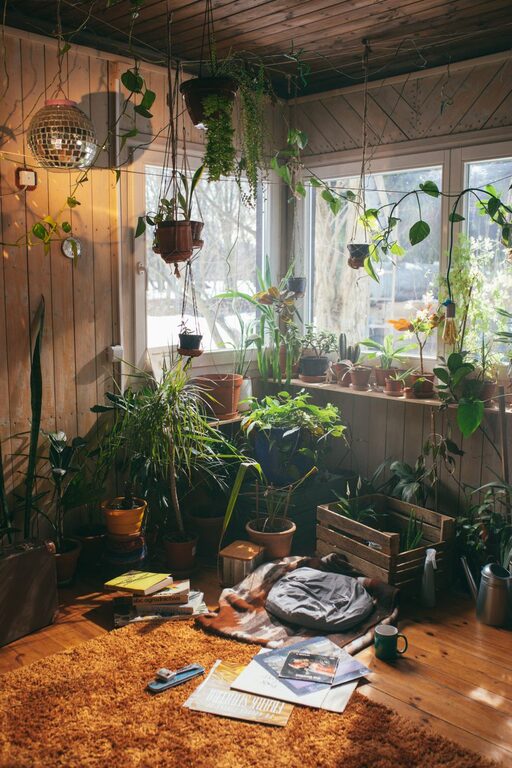
6. Incorporate Plants in Your Home
Plants not only beautify your space but also improve indoor air quality.
– Choose easy-care plants: Snake plants, pothos, and spider plants thrive with minimal attention.
– Create a mini herb garden: Grow herbs indoors to reduce the carbon footprint from store-bought produce.
– Use plants for insulation: Strategically placed greenery can provide shade and reduce indoor temperatures in warmer months.
Final Thoughts
Building an eco-friendly home on a budget is all about making gradual improvements and being mindful of your habits. By reducing energy and water use, choosing sustainable products, managing waste, improving insulation, and enjoying plants, you can live greener without spending a fortune. Each small step benefits the environment and contributes to a healthier home.
Start with a few simple changes today, and watch both your savings and your positive impact grow.